
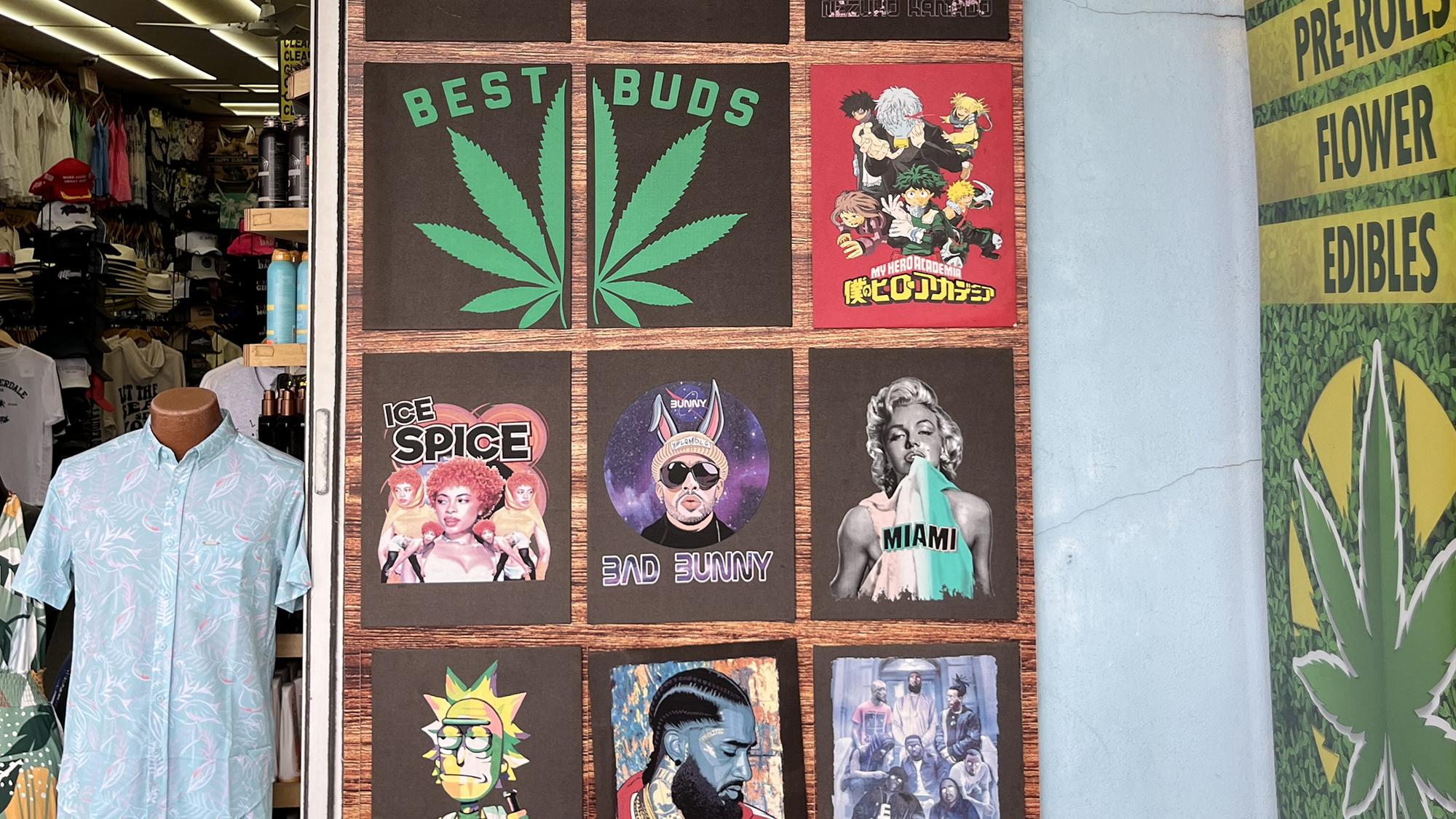
Once relegated to the margins of counterculture, cannabis has steadily moved into the cultural mainstream—and fashion has been one of its most visible adopters. Over the past decade, cannabis culture has evolved from novelty graphics and underground symbolism into a nuanced design language that reflects lifestyle, wellness, sustainability, and self-expression. Today, its influence can be seen across streetwear, luxury fashion, activewear, and accessories, reshaping how apparel brands communicate identity and values.
In the early days, cannabis-inspired fashion leaned heavily on overt imagery: bold leaf graphics, green color palettes, and rebellious slogans. These designs were closely tied to activism and protest, mirroring the legal and social battles surrounding cannabis. As legalization expanded and public perception softened, fashion followed suit. According to reporting from Business of Fashion and Highsnobiety, cannabis symbolism began shifting away from shock value toward subtlety and storytelling, aligning with broader consumer trends favoring authenticity and cultural depth.
Streetwear played a critical role in this transition. Brands rooted in skate, hip-hop, and urban culture naturally embraced cannabis references as part of a broader lifestyle narrative. Labels such as Cookies, HUF, and RIPNDIP incorporated cannabis themes not as gimmicks, but as extensions of community identity. This approach resonated strongly with younger consumers who value brands that reflect their lived experiences and social views, a trend consistently highlighted in consumer research from firms like McKinsey & Company.
Luxury fashion has also entered the conversation. Designers including Alexander Wang and Collina Strada have referenced cannabis culture through collections that emphasize relaxation, escapism, and alternative wellness. Rather than literal imagery, these interpretations focus on mood, texture, and intention—mirroring how cannabis itself is increasingly framed as part of a balanced lifestyle. Coverage from Vogue and WWD notes that luxury’s engagement with cannabis reflects a broader willingness to engage with once-taboo cultural touchpoints.
Sustainability has further strengthened the connection between cannabis and apparel. Hemp, one of the cannabis plant’s most practical byproducts, has reemerged as a desirable textile due to its durability, low environmental impact, and breathability. As noted by organizations such as the Textile Exchange, hemp aligns closely with fashion’s growing push toward eco-conscious materials. Brands promoting hemp-based garments often weave cannabis culture into narratives around responsibility, longevity, and mindful consumption.
Perhaps most importantly, cannabis culture has helped fashion shift its tone. Apparel influenced by cannabis increasingly emphasizes comfort, inclusivity, and individuality—values reflected in the rise of relaxed silhouettes, elevated loungewear, and gender-neutral designs. As cultural analysts at The New York Times have observed, cannabis has become less about rebellion and more about personal ritual, a transformation mirrored in the clothes people choose to wear.
As cannabis continues to normalize globally, its impact on fashion is likely to deepen. What began as a visual symbol of resistance has matured into a versatile cultural influence, shaping not only aesthetics but also how brands communicate purpose. In fashion, cannabis culture is no longer a trend—it is a lasting thread in the industry’s evolving fabric.