
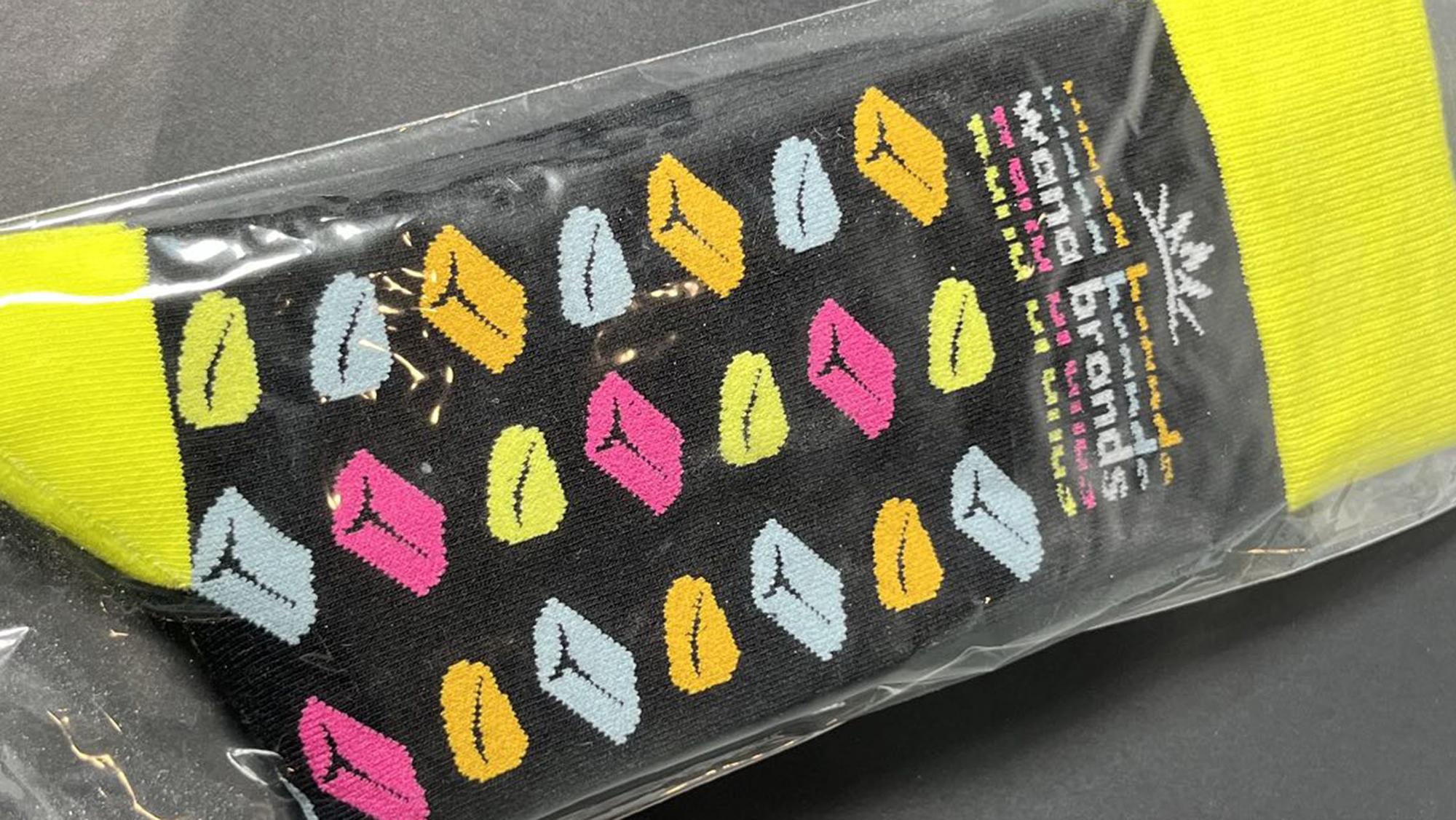
As cannabis imagery continues to evolve within mainstream fashion, cannabis stockings have emerged as a surprising but telling example of how once-countercultural symbols can transcend their origins. No longer confined to niche markets or novelty gifting, these stockings are increasingly appreciated for their design, craftsmanship, and broader cultural resonance—often by consumers who have little to no connection to cannabis itself.
At their core, cannabis stockings reflect a larger shift in fashion toward expressive motifs that communicate individuality. Fashion historians and trend analysts frequently note that clothing has long borrowed from subcultures—punk, skate, hip-hop, and even workwear—to create new forms of visual language. Cannabis iconography now occupies a similar space, functioning less as a political or lifestyle statement and more as a recognizable graphic element. Much like celestial prints or abstract florals, the cannabis leaf has become a pattern that signals confidence, irreverence, and modernity rather than a specific belief system.
Design also plays a critical role in their appeal. Many contemporary cannabis stockings emphasize quality materials such as microfiber blends, sheer nylons, or sustainable fibers, aligning with broader apparel industry priorities around comfort, durability, and responsible sourcing. According to apparel research published by organizations like the Fashion Institute of Technology and Textile Exchange, shoppers increasingly evaluate hosiery based on wearability and ethical production rather than novelty alone. Cannabis-themed stockings that meet these expectations naturally reach a wider audience.
Another factor driving interest beyond cannabis culture is the growing acceptance of playful fashion. Post-pandemic style trends have leaned toward personal joy, humor, and visual storytelling, a movement documented by industry forecasters such as WGSN and Vogue Business. Cannabis stockings often fit seamlessly into this mindset. Worn with tailored skirts, oversized sweaters, or minimalist dresses, they introduce a touch of contrast—an unexpected detail that elevates an otherwise classic look. For many wearers, the appeal lies in irony and balance rather than symbolism.
Pop culture has also normalized cannabis imagery as part of everyday aesthetics. Film, music, and art have gradually reframed the cannabis leaf from taboo to familiar, particularly among younger consumers who view it as culturally neutral. This normalization has allowed designers to experiment more freely, incorporating cannabis motifs alongside hearts, stars, and geometric patterns without alienating mainstream shoppers.
Importantly, the appeal of cannabis stockings is not rooted in advocacy. Consumer surveys referenced by retail analysts at firms such as McKinsey & Company suggest that modern shoppers are increasingly motivated by style versatility and self-expression over ideological alignment. Cannabis stockings, when executed thoughtfully, offer exactly that—an opportunity to participate in a contemporary fashion moment without making a statement about personal habits or beliefs.
Ultimately, cannabis stockings illustrate how fashion absorbs and reframes cultural symbols over time. What once represented rebellion now functions as design language, appreciated for its visual impact rather than its origin. As with many trends that cross from subculture to style staple, their lasting appeal will depend not on cannabis culture itself, but on creativity, craftsmanship, and the wearer’s desire to express individuality through subtle, unexpected details.